



Growing plants in a confined urban environment often feels like a guessing game of trial and error. Balconies receive erratic wind, indoor sills lack sufficient light, and store-bought soil mixes frequently disappoint enthusiastic beginners. Transforming these frustrating patches into thriving green spaces requires more than enthusiasm because it demands an understanding of soil biology, watering mechanics, and microclimates.
Seedletyexio provides a comprehensive framework designed to strip away the confusion surrounding residential plant care. Every module builds practical skills through direct observation and proven horticultural principles, helping growers establish resilient root systems and harvest edible crops right outside the kitchen window.
Understanding Container Dynamics and Soil Selection
Potted plants live in restricted ecosystems where nutrients deplete rapidly and moisture evaporates much faster than in open garden beds. Standard garden dirt compacts inside pots, suffocating roots and preventing proper drainage. Successful container gardening begins with assembling porous, nutrient-rich potting substrates tailored to specific plant families.
Managing root boundaries requires careful attention to pot dimensions, material porosity, and thermal insulation against sudden temperature drops. Terracotta breathes moisture out through its clay walls, while plastic retains dampness longer. Matching the container material to the specific thirst of the plant prevents root rot and drought stress.
Essential Urban Plant Care Strategies
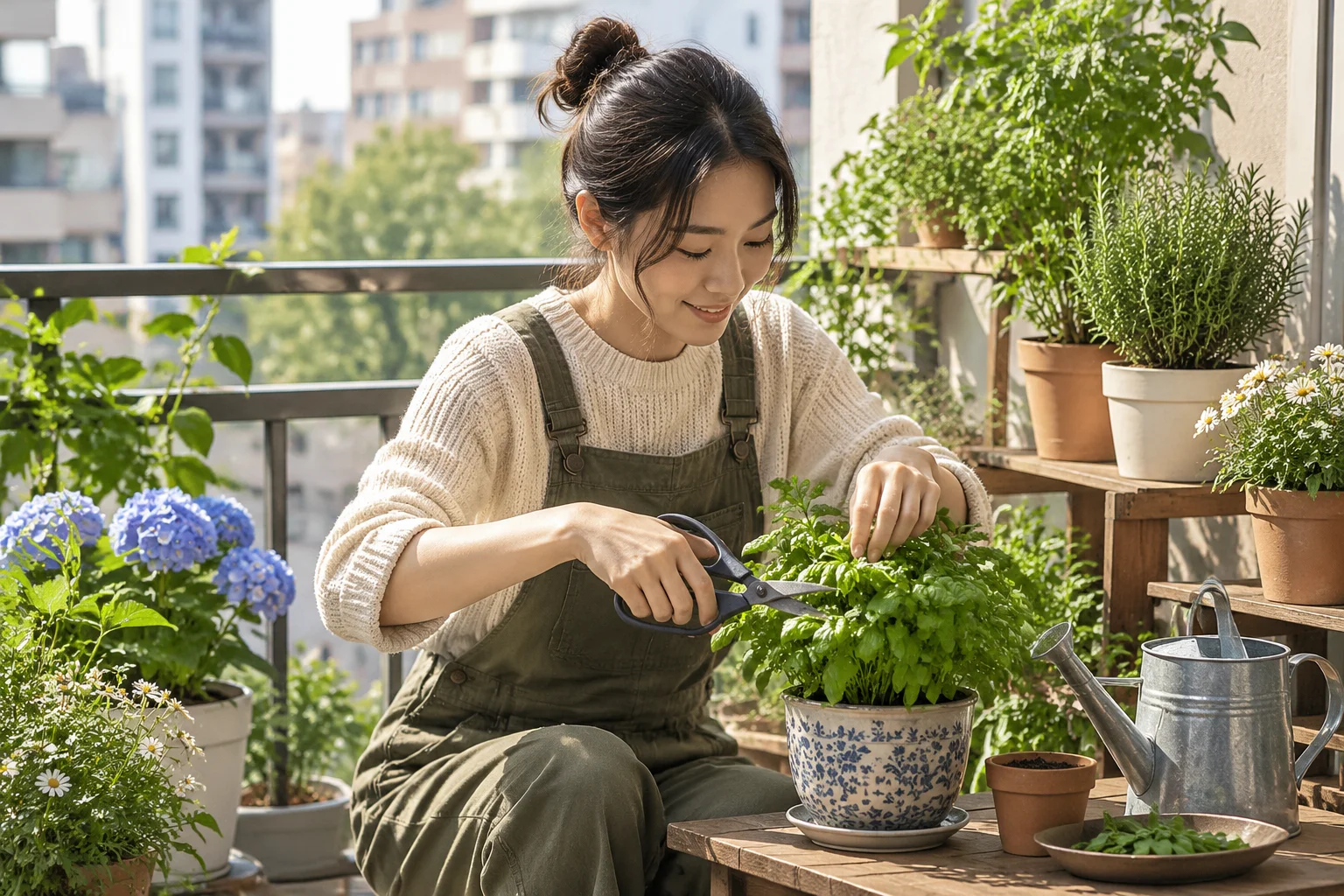
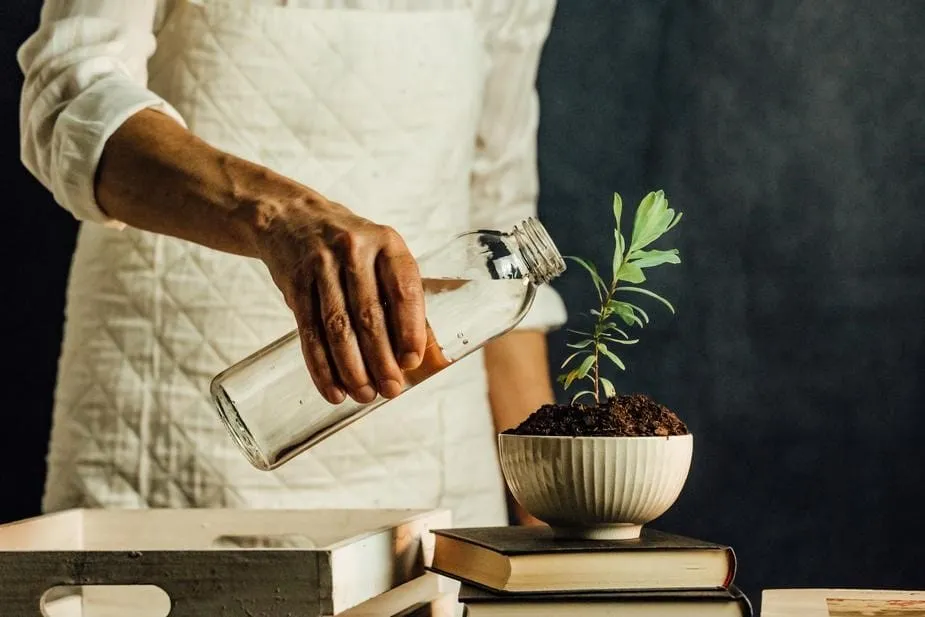
Urban microclimates present unique challenges, from reflected heat off concrete walls to fierce wind tunnels between apartment buildings. Protecting tender foliage from these harsh conditions involves strategic placement, physical windbreaks, and attentive moisture management. Consistency matters far more than heavy, infrequent watering routines.
- Check soil moisture daily by inserting a finger two inches deep into the substrate.
- Rotate pots weekly to ensure balanced light exposure across all stems.
- Prune dead or yellowing leaves promptly to redirect plant energy toward new growth.
- Apply balanced organic fertilizers diluted to half strength during peak growing months.
- Clean dust off large leaves regularly to maximize photosynthetic efficiency in indoor spaces.
- Flush mineral buildup from pot bases by watering thoroughly until liquid drains freely.
Observing subtle changes in leaf color or stem flexibility teaches growers to diagnose mineral deficiencies before permanent damage occurs. Yellowing lower leaves often signal nitrogen starvation, while scorched tips point toward excessive fertilizer salts accumulating in the root zone.
Natural Pest Prevention and Management
Uninvited insects arrive quickly on high balconies, exploiting stressed plants and weak defenses. Relying on harsh chemical sprays inside living spaces creates unnecessary health risks, making integrated pest management the preferred approach for residential growers. Healthy soil naturally breeds strong cell walls that resist piercing insects.
Beneficial insects, companion planting, and physical barriers offer reliable protection against aphids, spider mites, and fungus gnats. Introducing predatory mites or spraying foliage with diluted horticultural soap keeps populations under control without harming pollinators or contaminating homegrown produce.
Seasonal Planning for Year-Round Growth
Successful gardening operates on a cyclical timeline rather than a reactive schedule. Spring demands intensive seed starting and repotting, summer focuses on hydration and harvesting, autumn requires soil replenishment, and winter invites indoor propagation and tool maintenance. Anticipating seasonal shifts prevents frantic rushes and keeps plants healthy through temperature extremes.
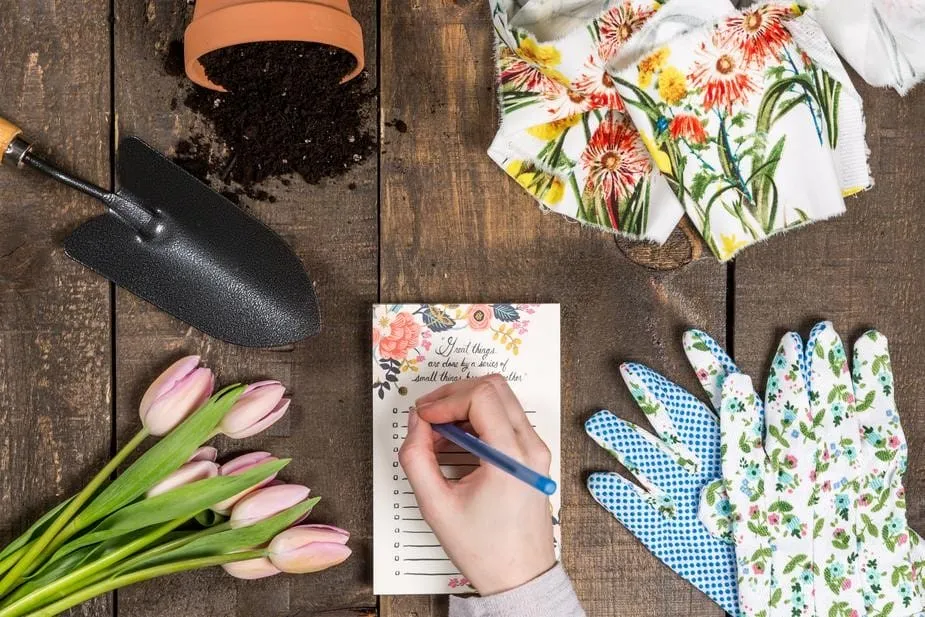
Maintaining a detailed garden journal helps track germination rates, bloom times, and pest pressures from previous years. Reviewing these notes allows urban growers to refine their choices, selecting resilient cultivars that perform reliably within their specific regional climate.
Mastering residential horticulture transforms a simple balcony or sunny windowsill into a productive, living sanctuary. By respecting the natural rhythms of plants and applying deliberate, informed care, any grower can cultivate abundance within the concrete city.





Top Comments
Clara Higgins
Arthur Pendelton
Marcus Vance